
What New Home Buyers Should Know About Heating and Cooling in Melbourne
Building a new home in Melbourne is an exciting milestone, but navigating the endless choices in your building contract can quickly feel overwhelming. Between selecting floorboards, kitchen benchtops, and facade finishes, one critical decision often gets pushed to the background: your home’s climate control strategy.
Melbourne is famous for throwing “four seasons in one day” at its residents. From sweltering 40°C summer heatwaves to freezing, damp winter mornings, your home needs a system built to handle extreme thermal shifts. Getting your heating and cooling for new homes in Melbourne right during the planning stage is essential. Retrofitting a system after your plasterboard is up costs significantly more and often limits your options.
At Specialized Heating and Cooling, we have helped thousands of Victorian families design tailored climate solutions for over four decades. In this guide, we break down everything new home buyers need to know, from navigating standard builder inclusions to selecting the most energy-efficient system for your floor plan.
Many new home buyers assume that the standard climate control included in a high-volume builder promo package will automatically cover their needs. However, builder packages frequently rely on one-size-fits-all templates that might leave your master bedroom stifling in January, or your open-plan living room chilly in July.
When you address climate control during the preliminary design phase, you unlock distinct advantages:
Choosing the best HVAC system for a new home depends on your floor plan, family lifestyle, zoning preferences, and running-cost expectations. Here is a breakdown of the most popular options for new builds across Victoria.
Reverse cycle ducted systems represent the gold standard for air conditioning in a new home in Melbourne. Operating via an outdoor inverter unit connected to a central indoor fan coil, this system circulates refrigerated cool air in summer and heat-pump warmth in winter through concealed ceiling ducts.
If your floor plan features distinct zones, such as a home office, detached studio, or upper-floor bedrooms, a multi-head split system allows multiple indoor wall-hung or bulk-head units to connect to a single outdoor condenser.
Historically common across Victoria, gas ducted heating combined with evaporative cooling offers high-airflow cooling for hot dry days alongside rapid winter heating. However, with Victoria moving towards fully electric all-home standards and gas connections being phased out on new residential builds, reverse cycle heat pumps have largely taken over this space.
When reviewing an air conditioning package for a new home in Melbourne, it pays to look beyond the marketing headline. Builders frequently advertise “Ducted Air Conditioning Included,” but the fine print dictates how comfortable you will actually be.
Here are four critical factors to inspect in your building quote:
Key Items to Verify in Your Builder’s Plan
To ensure your ducted AC in a new build in Victoria delivers effortless comfort from day one, follow this step-by-step checklist during your pre-construction phase:
What is the best heating and cooling for new homes in Melbourne?
The most popular and efficient choice for Melbourne new builds is a reverse cycle ducted system. It provides total whole-home refrigerated cooling in summer and efficient heat-pump heating in winter, managed through smart multi-zone controllers to keep running costs low.
Should I get my builder or an independent HVAC specialist to install my air conditioning?
While builders can include air conditioning in the main contract, partnering with an independent specialist like Specair ensures you receive expert system design, premium unit sizing, higher-grade insulated ducting, and access to top global brands at competitive prices.
How much does ducted reverse cycle air conditioning cost for a new home in Melbourne?
For a standard single or double-storey 4-bedroom home in Melbourne, a fully installed ducted reverse cycle system generally ranges from $9,000 to $16,000+, depending on total floor area, brand, system capacity (kW), and the number of smart zones selected.
Can I install ducted AC after my new home build is finished?
Yes, but retrofitting ducted AC after construction is completed is significantly more expensive and intrusive. Installing ductwork between floors in a double-storey home is particularly challenging once plasterboard is up, making pre-construction planning essential.
How many zones should I include in my new home ducted system?
A standard build benefits from at least 4 to 6 distinct zones. This allows you to selectively cool or heat specific areas, such as living zones during the day and bedrooms at night, preventing energy waste in empty rooms and lowering your power bills.
Are gas heating systems still installed in new Melbourne homes?
While gas heating was long for a Victorian staple, recent updates to Victorian energy building codes and the phase-out of gas connections in new residential estates make all-electric reverse cycle systems the smarter, future-proof choice for new builds.
Your new home deserves a climate control solution that keeps your family comfortable every single day of the year, no matter what Melbourne’s weather delivers. By planning your heating and cooling early, you protect your budget, optimize energy efficiency, and enjoy whisper-quiet, whole-home comfort from the moment you turn the key.
At Specialized Heating and Cooling (Specair), our team works directly with home buyers, owner-builders, and volume builders across Victoria to engineer custom heating and cooling packages using industry-leading brands like Daikin, Bonaire, and Braemar.
Ready to discuss your new home floor plans?
Visit specair to upload your floor plans and request a free, no-obligation quote today.

Pakenham is a growing area with plenty of new housing estates and older family homes. Keeping your house comfortable through changing Victorian seasons requires a reliable heating and cooling setup. Standard heaters often struggle during hot summer days, while old cooling units fail to keep living rooms warm or cold on winter mornings. Getting a […]

Melbourne winters in the outer south-east bring icy winds, cold mornings, and sudden drops in temperature. Keeping a family home warm and dry needs a central heating system that is strong, reliable, and cheap to run. For local homeowners, booking a professional ducted heating installation in Berwick is the best way to get whole-house warmth […]
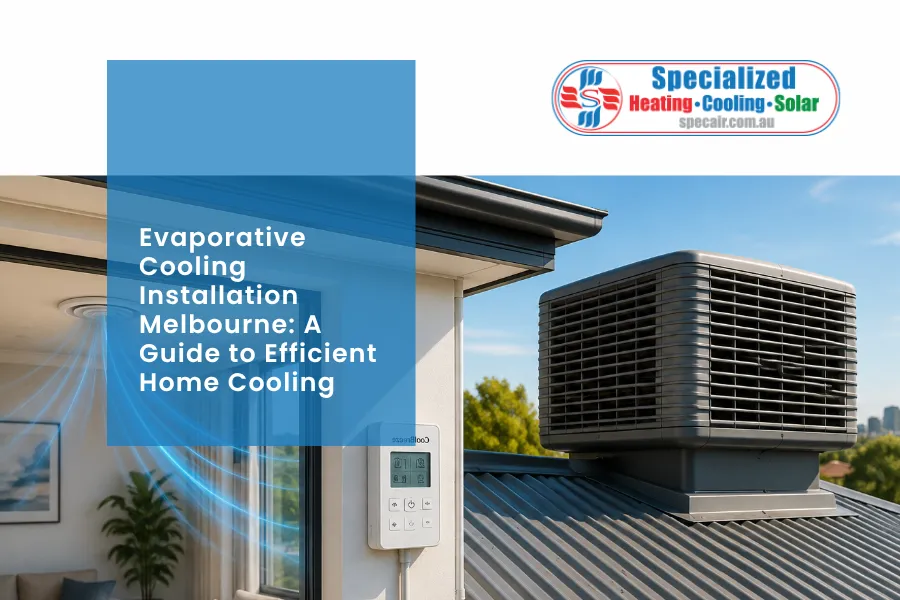
It’s easy for Melbourne summer to get very hot. There can be a cool morning but a dry afternoon which equals 40 degrees or more and makes your home feel like an oven. In Victoria, with the severe heat that comes with it, it becomes necessary for every family to keep their home cool, fresh, […]

Victorian summers turn homes into ovens and running heavy aircon all day leaves you with massive power bills. Evaporative air conditioning in Melbourne is usually a lot cheaper and kind of a natural way to take the edge off heat. It brings in fresh outside air, cools it across wet pads, then sort of pushes […]
